Wildlife at the Crossroads: Urbanization in Toronto
Introduction
Toronto has been home to many diverse ecosystems and their inhabitants for many years. Lake Ontario, the final lake in the Laurentian Great Lakes chain is a large part of Toronto’s urban and wilderness landscapes. The Great Lakes hold 21% of the world’s surface freshwater and serve as a critical resource for millions of people (Cartwright et al., 20211). As well as being an indispensable human resource, Lake Ontario is a vital resource to an array of wildlife including many fish, invertebrates, birds and mammals (Cartwright et al., 2021). Toronto is around 2000 square kilometres and borders over 42km of lakeshore (Cartwright et al., 2021), resulting in many animals relying on both the lake itself and the surrounding urban environment. Due to the urbanization and urban sprawl occurring rapidly in the city of Toronto and the surrounding region, the area faces numerous environmental challenges and increased human-wildlife interactions (Fugulin, 20182). This paper will explore how urban wildlife in Toronto has changed over time and what the future potentially holds.
Urban Wildlife Classifications
Urban wildlife in and around Toronto can be categorized into three main groups: urban exploiters, urban adapters, and urban avoiders.
Urban exploiters are often synanthropic species, meaning they thrive in human-modified environments (Fugulin, 2018). This includes many non-native species such as the rock dove, European starlings, house sparrow, and Virginia opossum as well as various urban mammals like raccoons, cottontail rabbits, grey squirrels and house mice (Fugulin, 2018). Species in this category are often considered pests due to their often-communal nature and high reproduction rates as well as how well they have adapted to urban life.
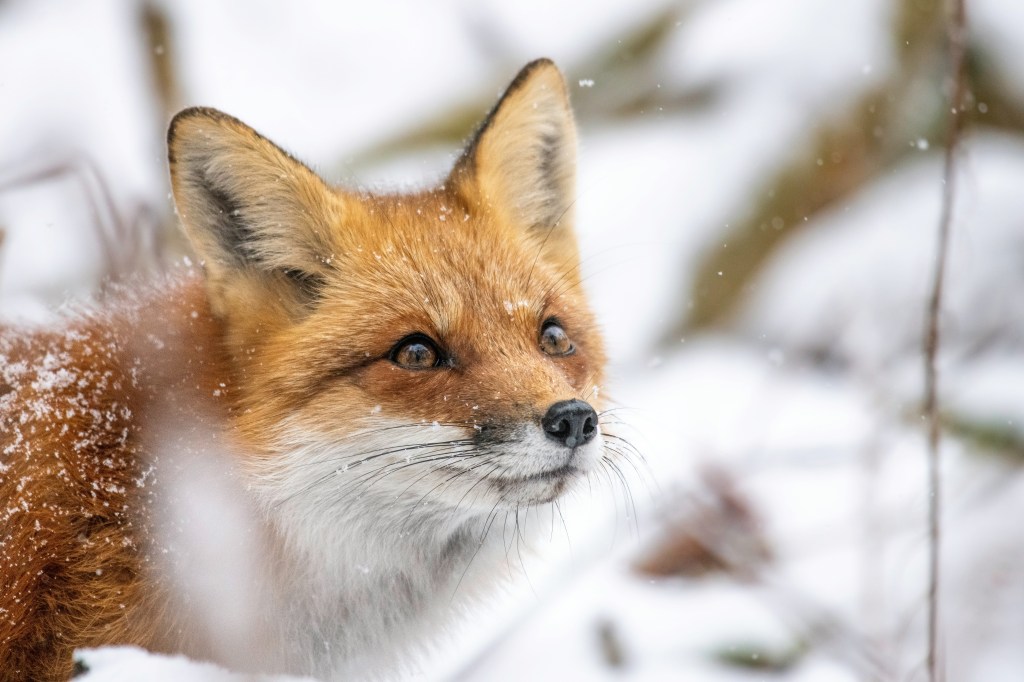
Urban adapters are species that can survive in moderately developed environments (Fugulin, 2018). They utilize human resources yet remain reliant on the nearby natural habitats (Fugulin, 2018). This group includes native species that are commonly solitary, and ones commonly thought of as urban animals. They include coyotes, red foxes, white-tailed deer, striped skunks and red-tailed hawks (Fugulin, 2018). Unlike urban exploiters, urban adapters require natural areas such as forests and greenspace to thrive.
Urban avoiders are different to adapters and exploiters as they are extremely sensitive to urbanization and usually include large predatory mammals (Fugulin, 2018). These species are rare, with many being at risk and most have disappeared from the region following early human settlement (Fugulin, 2018). Avoider species for the Toronto region include elk, bison, gray wolves and gray foxes (Fugulin, 2018). Current avoiders that are in the area but rare include pileated woodpeckers and groundhogs (Toronto City Planning and Parks, 20193). The decline of large predators and urban avoiders in Toronto highlights the challenge of maintaining biodiversity that comes with rapidly developing urban areas (Fugulin, 2018).
Leading Causes of Change
Over the years wildlife populations in Toronto have experienced significant changes across species populations. These changes stem primarily from urbanization. One big challenge urbanization brings is habitat fragmentation. Habitat fragmentation prevents animals from accessing resources needed to survive without crossing barriers such as roadways (Martin, 20184). The habitat shrinks due to these roadways leaving many species without proper resources, meaning they need to cross the road to get what they need (Martin, 2018). Habitat fragmentation driven by human activity remains a leading cause of species decline, further exacerbating the challenges faced by wildlife in urban environments (Fugulin, 2018). Toronto wildlife faces increased vehicle traffic and increased road density (Cartwright et al., 2021) due to urban sprawl and urbanization. This increased habitat fragmentation due to urbanization and urban sprawl is a primary factor in urban avoiders relocating. These smaller, busier habitats were no longer suitable for them.
Smaller species such as urban adapters also struggle because of habitat fragmentation. Frogs and amphibians for example would be considered urban adaptors as they can live in more urban environments, but still require natural areas. They are particularly impacted by habitat fragmentation as there is often a lack of adjacent terrestrial habitat needed by them for overwintering by many species (Cartwright et al., 2021). The need to find overwintering grounds forces amphibians towards crossing roadways to find suitable habitats, leading to increased mortality rates (Cartwright et al., 2021).
Habitat loss is another factor in Toronto, and though connected to fragmentation, it is a separate issue. With whole habitat types disappearing, many species are too moving away. Studies indicate that forest bird populations and meadow birds are both negatively impacted by urbanization. Both meadow and forest bird populations are notably higher in rural areas compared to urban areas (Cartwright et al., 2021). This is partially due to deforestation in urban environments due to urban sprawl, lack of meadow habitats, and noise pollution from vehicles and construction impacting communication and the overall changing biodiversity of Toronto (Cartwright et al., 2021). Birds are not the only ones impacted by forest loss, many urban avoiders left due to habitat loss and many urban adapters are at risk due to declining natural habitats they are reliant on.
Predictions for the Future
Looking ahead, the Greater Toronto Area (GTA) is projected to grow to 7.6 million residents by 2031 (Pihlak, 20145). This anticipated growth raises concerns about the sustainability of local wildlife populations. Unfortunately, wildlife populations within the Toronto area will likely continue to be negatively affected by urbanization-related stressors (Cartwright et al., 2021). Continued and intensified urban development in existing urban areas, as well as rural regions to support growing populations, will further degrade wildlife habitats. This increased development will continue posing a risk to both resident and migrating species without action. Projections suggest that between 40 and 195 species currently present in Toronto may disappear (Aschaiek, 20246). However, it is also predicted that 159 to 360 new species could potentially emerge (Aschaiek, 2024). The urban Toronto animals most at risk are amphibians, canines and waterfowl-like loons (Aschaiek, 2024).
Going forward, restoration efforts for habitats of at-risk species in urban areas are critical. Restoration efforts emphasize the need for increased habitat connectivity and mitigation strategies to reduce road mortality rates (Cartwright et al., 2021). Moreover, utilizing urban forest fragments can help to support bird communities through various restoration practices, including enhancing structural heterogeneity and controlling invasive species (Cartwright et al., 2021). Restoration would include removing invasive plant species, planting native plant species, replanting meadow grasses rather than turf, and leaving downed woody matter in habitats (Toronto City Planningand Parks, 2019). Expanding and enhancing habitats that are at risk or home to species at risk, ensures there is refuge, food, water and shelter for inhabitants (Toronto City Planning and Parks, 2019). Along with restoration, policy protecting and acknowledging Toronto’s at-risk species is necessary from governing bodies.
Conclusion
The evolution of wildlife in Toronto over the years highlights the intricate relationship between urban development and biodiversity. While some species have thrived in urban environments, many others face significant challenges due to habitat loss, fragmentation, and increasing human-wildlife interactions. As Toronto continues to grow and expand, proactive measures protecting and restoring natural habitats will be essential for sustaining wildlife populations and preserving biodiversity. Looking to the future, there should be a focus on fostering the coexistence between urban residents and wildlife, ensuring both can thrive in a rapidly changing landscape.
References
- Cartwright, L. A., Hayes, S., Tozer, D. C., Clayton, D., Burns, M.-A., Lewis, D., Gaetz, N., & Shrestha, N. (2021). Assessing terrestrial wildlife populations in the Toronto and region area of concern. Journal of Great Lakes Research, 47(2), 273–282. Link ↩︎
- Fugulin, O. (2018, December 18). (thesis). Urban Wildlife in Toronto: Species, Threats and Attitudes Towards Human-Wildlife Coexistence. York University. Retrieved October 27, 2014, from Link ↩︎
- Toronto City Planning and Parks, Forestry and Recreation. (2019). Toronto Biodiversity strategy. WILD, CONNECTED AND DIVERSE: A BIODIVERSITY STRATEGY FOR TORONTO. Link ↩︎
- Martin, J. (2018, August 16). What is habitat fragmentation and what does it mean for wildlife?. Woodland Trust. Link ↩︎
- Pihlak, M. (2014). A future provenance. Ecological Urbanism: The Nature of the City, 35–46. Link ↩︎
- Aschaiek, S. (2024, April 30). Transforming cities: Modelling predicts how climate change could disrupt urban wildlife. University of Toronto Mississauga. Link ↩︎
 TERRA ELYSIUM
Leave a comment