A Call to Action Against Resource Extraction in the Democratic Republic of Congo
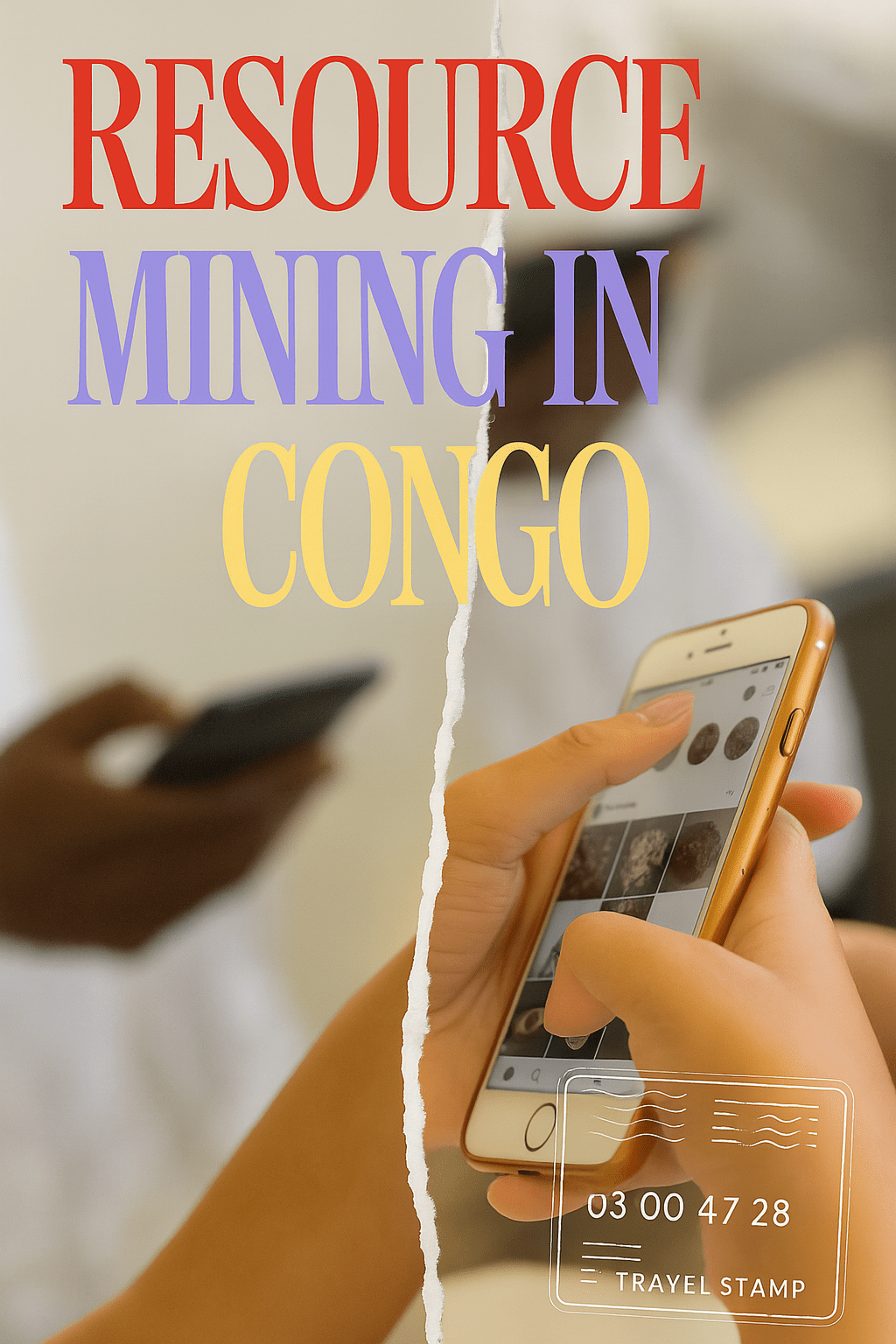
People face many injustices for the sake of global and technological convenience. When buying the latest smartphone there is no pamphlet on how this phone came to be. What resources were used to bring you face ID? Behind the screen is the face of hundreds of men, women, and children whom the process of resource mining has poisoned. In a world that emphasizes productivity and product over people, many citizens of the Democratic Republic of Congo experience a short lifetime of being overworked and under-compensated. Resource extraction has ravished their lives, the land, and the environment.
The Democratic Republic of Congo (DRC), the second-largest country in Africa by landmass, is home to more cobalt reserves than the rest of the world combined, boasting approximately 3.5 million metric tons. The southern part of the country features the Copper Belt, which contains 34% of the world’s cobalt and 10% of its copper. The quality of this copper is among the highest globally, making it highly sought after by international mining companies. Despite the immense mineral wealth, the DRC’s people face extreme poverty, with local miners often earning less than $2.00 CAD (approximately $4,000 Congolese Francs) a day while working under hazardous conditions. Many of these miners are village women and children (Kelemen, 2023)1.
Mining in the DRC, particularly for cobalt and other key minerals like coltan and lithium, has led to widespread environmental and social issues. The extraction process involves open-pit mining, which causes extensive deforestation and habitat destruction. This contributes to climate change, disrupts ecosystems, and threatens biodiversity. The mines and surrounding areas are desolate, inhabited only by the people working there, their tools, and other mining materials. The use of toxic chemicals, such as mercury, further contaminates water sources, leading to severe health issues for local communities. The lack of clean drinking water is another contributing aspect to the declining state of the DRC’s people, health, land, and resources.
Artisanal mining, often uncontrolled and unsafe, has exacerbated these problems. Entire neighborhoods are transformed into makeshift mining sites, resulting in significant deforestation and water pollution. Larger semi-industrial operations, such as those by Chinese-owned companies at sites like Muchacha, have intensified these issues by establishing permanent settlements and infrastructure, which further disrupts the environment (International Trade Administration, 2024)2. The socio-economic conditions for mining communities are dire. The lack of infrastructure means that basic services like roads, schools, and healthcare are often unavailable. While the people of the DRC work tirelessly, they reap little to no economic benefit from these systems of extraction. Reliance on artisanal mining, coupled with exploitation, has left many communities in extreme poverty. This dependency not only perpetuates economic hardship but also fuels conflicts. Armed groups control mining areas, using the proceeds from mineral sales to finance violence and perpetuate human rights abuses.
The international demand for these minerals contributes to a vicious cycle of conflict and exploitation. Multinational companies, in their pursuit of these valuable resources, often negotiate with armed groups and engage in practices that exacerbate the suffering of local populations. The lack of strict regulation and oversight allows for ongoing corruption and impunity, undermining efforts to address these issues.
This issue is largely due to systemic injustice, corporate infrastructure and poor practices that do not hold these tech companies accountable for their atrocities. As consumers, we have a role in addressing these injustices. It is crucial to support companies that engage in ethical sourcing and transparency. Brands like Fairphone integrate conflict-free minerals and invest in local communities, while organizations like the Canadian Fair Trade Network can help consumers identify ethical brands. Advocacy for policy changes, such as stricter enforcement of sanctions and support for international frameworks like the OECD Due Diligence Guidance, is essential. Supporting NGOs, participating in campaigns, and promoting community-based conservation can also contribute to positive change.
The plight of the Congolese people highlights the profound human and environmental cost of our technological conveniences. By making informed choices and advocating for ethical practices, we can help ensure that the pursuit of progress does not come at the expense of human dignity and environmental sustainability. Holding these companies to a higher social standard and reforming their social responsibilities to ensure more ethical practices is a step we must take to create change. Advocacy and information begets change, which begets a better climate. We are all climate activists in our existence, in our small actions to create a better future.
References
 TERRA ELYSIUM
Leave a comment